13 Invisible Subscriptions Still Draining Your Bank Account
Sneaky subscriptions can drain your balance without you even noticing. From premium app services to forgotten trial plans, these hidden charges quietly add up and inflate monthly bills. Each of these 13 subscription types is surprisingly common but also surprisingly easy to miss. Keep reading to reclaim your money and cut the clutter from your digital footprint.
Unused Streaming Trial Subscriptions

Many of us sign up for a free trial and forget to cancel before the trial ends. The service then silently starts billing monthly without a reminder. These stealthy charges can linger for months or even years. Regularly flagging trials on your calendar stops that from happening.
Premium App Store Services

Subscriptions via Apple or Google Play often renew automatically without clear notice. Because they show up under vague names, they easily blend into your statement. Before you realize it, you’re paying for services you never use. App store subscription pages are where accountability starts.
Related: My Partner Doesn’t Get How Much It Takes To Feed A Family Of 5
Monthly Fitness or Meditation Apps

You may download a wellness app for a short period, then neglect to cancel. These subscriptions can silently recur, charging every month. It’s easy to overlook unless you actively review your transactions. Using budgeting apps that flag recurring charges can save both time and money.
Related: You’re Home All Day But That Doesn’t Make Groceries Free
Auto-Renewing Domain or Hosting Services
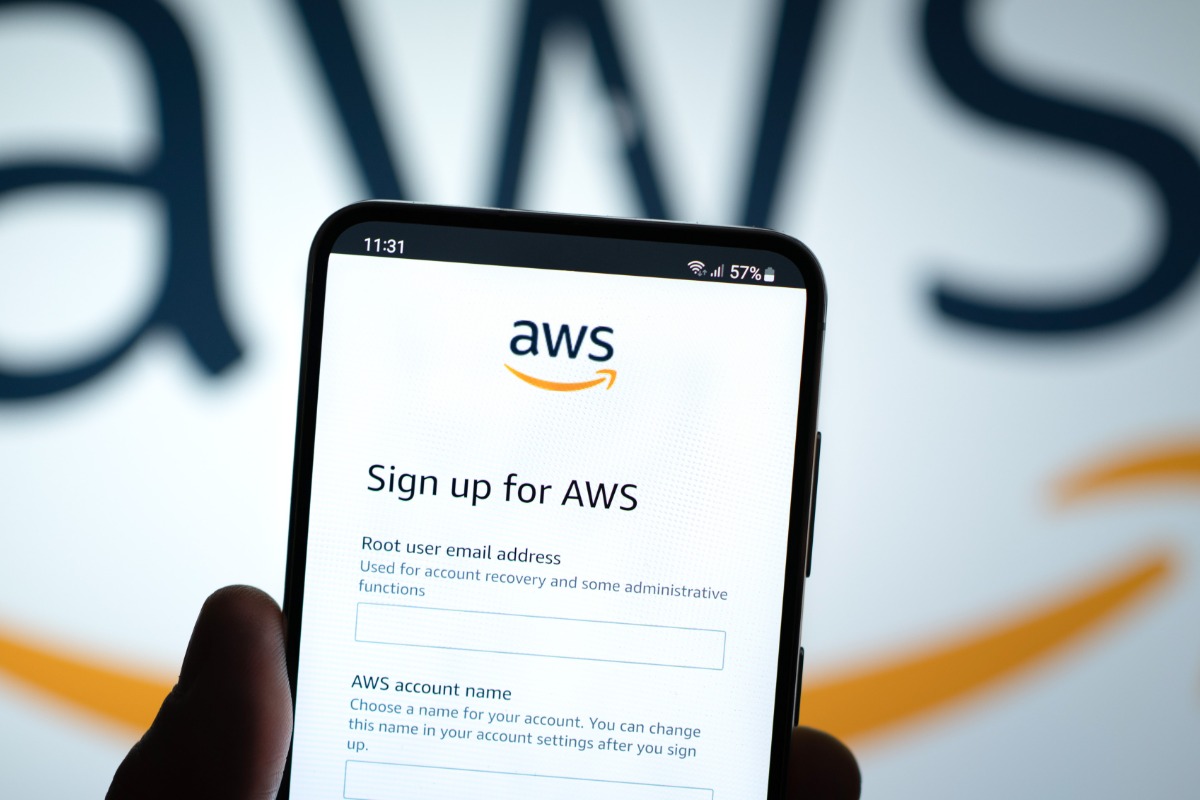
Small website fees for hosting, domain renewals, or cloud storage often renew annually. Users may forget them until they see a surprise charge. These tend to cycle back after 12 months without obvious notifications. Checking annual statements or calendar reminders helps catch them in time.
Related: He Said, You Don’t Work, You Should Do All The Cooking
Hidden Frozen Memberships

Gyms, clubs, or class memberships sometimes stay frozen or active even when unused. Monthly dues sneakily continue long after you stop going. Because payment is automated, it rarely draws notice. Reviewing bank statements quarterly is one of the fastest ways to catch forgotten memberships.
Related: I Cook, I Budget, I Shop, But I Still Feel Guilty Spending
Tired of money feeling messy? Get clear, simple tips for managing your family’s finances, straight to your inbox. Sign Up Here
Obscure Niche Software Licenses

You may sign up for specialized software or productivity tools, then forget about them. These subscriptions often bill under corporate names that hide their identity. The small monthly charges add up if left unnoticed. Subtracking services help surface these ghost payments.
Related: I’m a SAHM Here’s What We Really Spend On Groceries Each Week
Automatic Add‑On Services for Streaming

Extra features like HD upgrades or cloud storage may renew automatically without promotion. Many users regret not opting out at renewal. These charges are easy to miss when paying via credit card. Checking service settings and unsubscribing from unneeded add-ons is vital.
Annual Photo or Cloud Storage Plans

That one time cloud backup you signed up for might renew yearly without notification. Your credit card continues to pay, although you may not recall the service. These plans are often overlooked during casual statement reviews. Annual calendar reminders or expense tracking reviews catch these before they renew.
Related: 13 Food Luxuries Retirees Say Are Worth Every Penny
Expired Memberships with Silent Billing

Free trial sign ups or initial coupons may no longer be used, but billing still continues. Companies count on auto renewals and customer inertia. Payments may go unnoticed under generic merchant names. Checking for charges that repeat on the same date each month often reveals these sneaky renewals.
Related: These 11 Kitchen Habits Can Wreck Your Retirement Budget
Premium Versions of Free Tools

Upgraded versions of printer utilities, phone apps, or minor tools often auto renew without use. When the upgrade auto renews, the charge is small enough to pass unnoticed. Users tend not to check transactions under dollar amounts. A monthly financial check easily spots these overlooked charges.
Want budgeting tips that actually work with a toddler on your hip? This is for you. 👉 Get The Emails
Digital Journal or Writing Platforms

Subscriptions to writing platforms, grammar checkers, or note taking tools may continue billing yearly. You may not realize the renewal is coming until it hits. These charges often show under corporate names. A quarterly scan for unfamiliar annual charges helps prevent this.
Related: My Dad’s Retired But Still Spends $400 A Month At Costco
Specialty Club Subscriptions, e.g., wine, food boxes

Box subscriptions include monthly or quarterly fees billed automatically. Often, the charge comes under a subsidiary name or shipping address. Many people forget these until the shipment arrives, or worse, never arrives. Regularly auditing account transactions helps avoid paying for clubs you forgot existed.
Related: 6 Budgeting Apps That Make Life Way Easier For Busy Moms
Third‑Party Payment Services, PayPal, Venmo

These platforms may bill subscriptions under unknown merchant names tied to linked cards. A charge can hit without showing on your bank that makes the merchant obvious. Reviewing payment services directly often uncovers invisible subscription activity. It’s important to check both your bank and payment apps monthly.
Related: 8 Money Principles That Build Generational Wealth
Invisible subscriptions may feel harmless until they drain hundreds or even thousands of dollars each year. By auditing statements, using tracking tools, flagging free trials, and reviewing app stores, you can reclaim control. These 13 subscription types are common offenders. Take back your wallet and peace of mind by keeping recurring charges visible and intentional.
Disclaimer: This list is solely the author’s opinion based on research and publicly available information.
8 Financial Boundaries Every Christian Couple Should Talk About

Money matters can either build a Christian marriage or quietly strain it over time. Setting boundaries early helps align spiritual values with practical choices. These conversations bring clarity, trust, and unity in decision-making. Without them, assumptions can lead to conflict or even resentment later.
Read it here: 8 Financial Boundaries Every Christian Couple Should Talk About
9 Honest Struggles Christians Face In The Tithe vs. Bills Debate

For many Christians, honoring God through tithing feels right, but becomes complicated when financial stress sets in. The tension between spiritual obedience and practical survival can stir guilt, doubt, and confusion. These inner battles are more common than most admit, and they deserve grace and understanding.
Read it here: 9 Honest Struggles Christians Face In The Tithe vs. Bills Debate
12 Money Leaks You Didn’t Realize Are Draining Your Bank Account

It is often not the grand purchases that sabotage your savings. More often, it is the quiet, repeated decisions that seem insignificant in the moment but gather strength over time. These subtle leaks hide in habits, unnoticed until the damage is visible in dwindling balances and rising stress. In a world designed to make spending effortless, awareness becomes your greatest form of defense.
Read it here: 12 Money Leaks You Didn’t Realize Are Draining Your Bank Account
You’ll love these related posts: