13 Sneaky Fees And How To Dodge Them
Did you know the average American unknowingly pays hundreds of dollars a year in hidden fees, and many only notice when the statement posts? The rest of this article uncovers 13 of the most common culprits and shows you exactly how to fight back. Stick around and see which fees might be hiding in your own wallet and how to ditch them fast.
Monthly Maintenance Fees
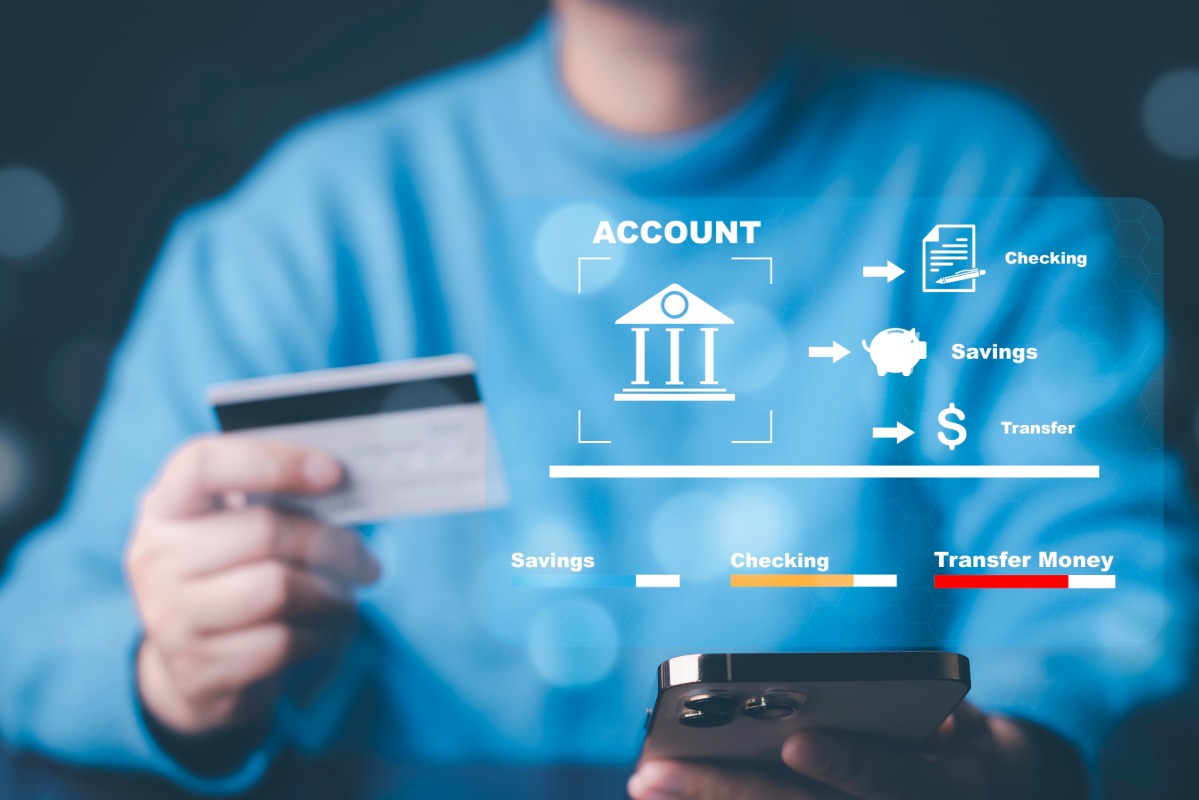
Many bank or credit union accounts charge monthly fees, often waived only if a minimum balance or direct deposit condition is met. These charges quietly accumulate and can wipe out any interest you earn. Avoid them by choosing fee free accounts or meeting simple criteria like maintaining a set balance or activating auto deposit.
ATM and Out‑of‑Network Fees
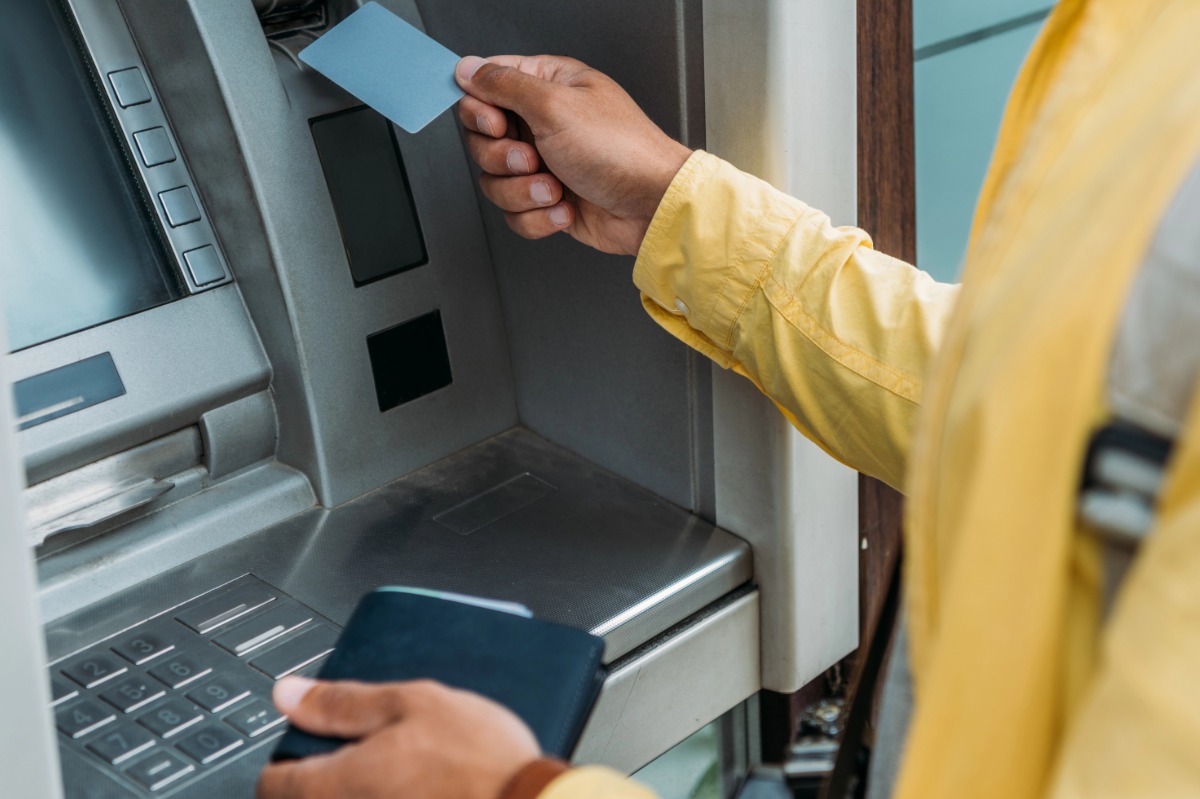
Every out of network ATM withdrawal can trigger a double whammy: your bank plus the ATM operator both charge. These seemingly small fees of $2 to $5 add up fast. Stick to your bank’s ATM network, look for machines that offer no fee cash back, or get a bank that reimburses ATM charges monthly.
Related: 7 Times the Bible Gave Brilliant Financial Advice
Overdraft and Non‑Sufficient Funds Fees

One overdraft can cost over $30, and multiple charges can hit you if transactions clear in a tricky order. The fix is to opt out of overdraft protection, link a savings account, and set real‑time low‑balance alerts. Some banks even allow automatic transfers from savings to cover small shortfalls.
Related: 6 Budgeting Apps That Make Life Way Easier For Busy Moms
Early Account‑Closure Fees
Close an account too soon after opening, typically within 90 to 180 days, and you could get slapped with a $25 fee. This discourages switching banks too quickly. Prevent it by reading term sheets before opening accounts and waiting out mandatory periods before closing.
Related: 8 Money Principles That Build Generational Wealth
Paper Statement Fees

Some banks quietly charge $2 to $5 monthly just for sending paper statements. These charges sneak in even if you rarely glance at the mailed statement. Opt out and go paperless to eliminate unnecessary costs and reduce paper clutter. Most banks waive fees for e‑statements.
Related: I’m a SAHM Here’s What We Really Spend On Groceries Each Week
Tired of money feeling messy? Get clear, simple tips for managing your family’s finances, straight to your inbox. Sign Up Here
Inactivity or Dormancy Fees

Accounts that sit idle for months can incur inactivity fees of $5 to $20 per month. Even savings accounts aren’t immune if left untouched. Avoid this by making at least one small transaction every few months or setting alerts for unusual inactivity.
Related: 14 Things Gen Z Will Never Understand About Saving
Foreign Transaction Fees

Buying overseas or from international websites often comes with 1–4% fees per purchase. While it might seem small, those fees stack with multiple transactions or events like travel. Choose cards or banks that don’t charge foreign fees for international charges.
Wire Transfer Fees
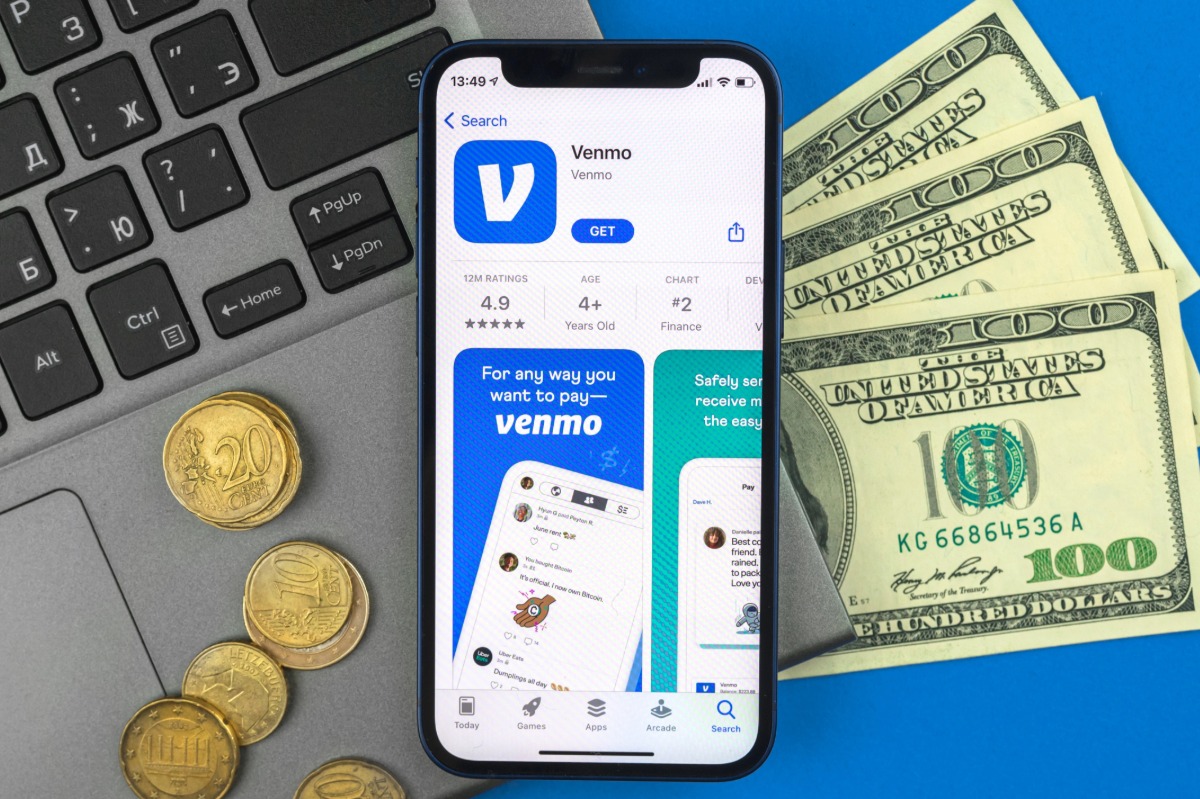
Need to send money quickly? Banks may charge $30 to $40 for domestic or international wire transfers. ACH or peer to peer apps like Zelle, Venmo, or Wise are cheaper and often free. For large or frequent transfers, these alternatives save you tangible cash.
Related: 13 Food Luxuries Retirees Say Are Worth Every Penny
Account Balance Inquiry Fees

Checking your balance with a teller or through phone systems can come with surprise fees of several dollars. These obscure charges are often hidden in account details. Avoid it by using mobile apps or in network ATMs and reviewing online before inquiring. Those digital tools are free and frictionless.
Related: He Said, You Don’t Work, You Should Do All The Cooking
Returned Check or Deposit Fee
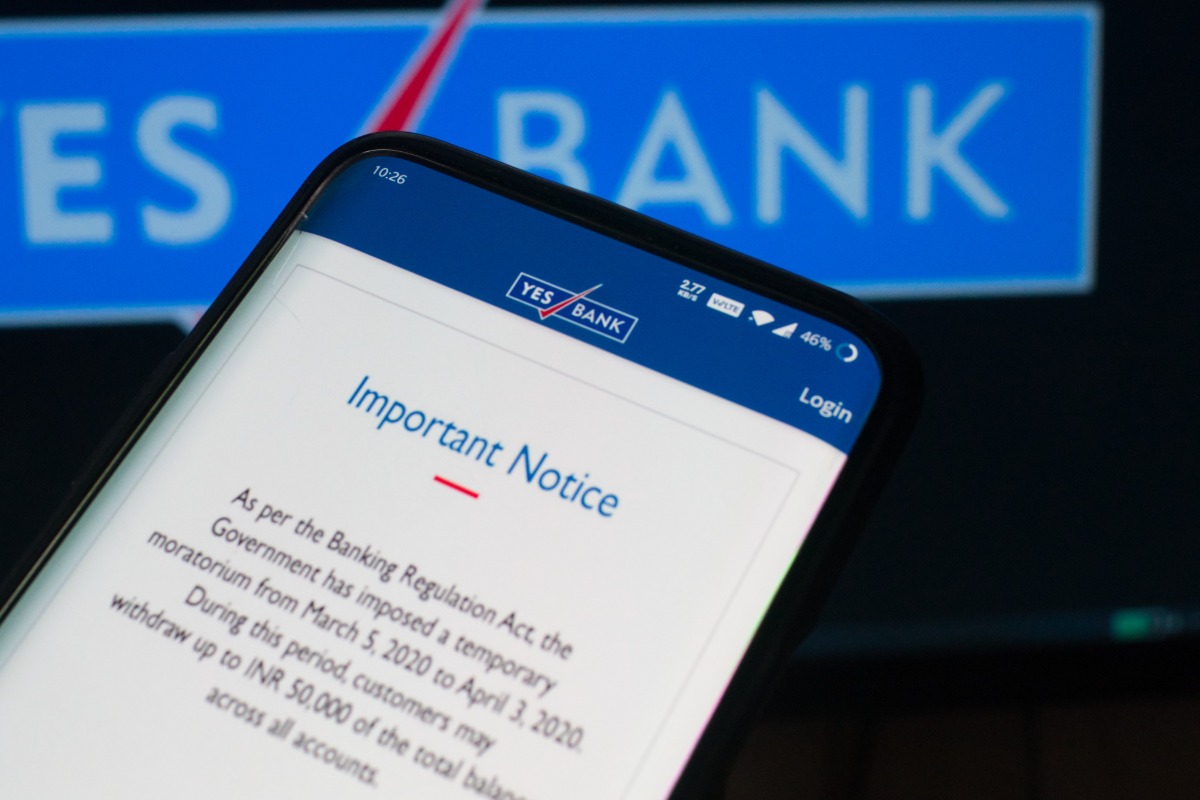
That bounced check or failed deposit can cost you $20 to $35 per incident. It’s a double blow, with both returned check fees and non sufficient funds charges stacking up. Always verify funds before depositing and consider digital or real time payment options instead. It’s way cheaper than a single NSF fee.
Want budgeting tips that actually work with a toddler on your hip? This is for you. 👉 Get The Emails
Ticket and Booking Convenience Fees
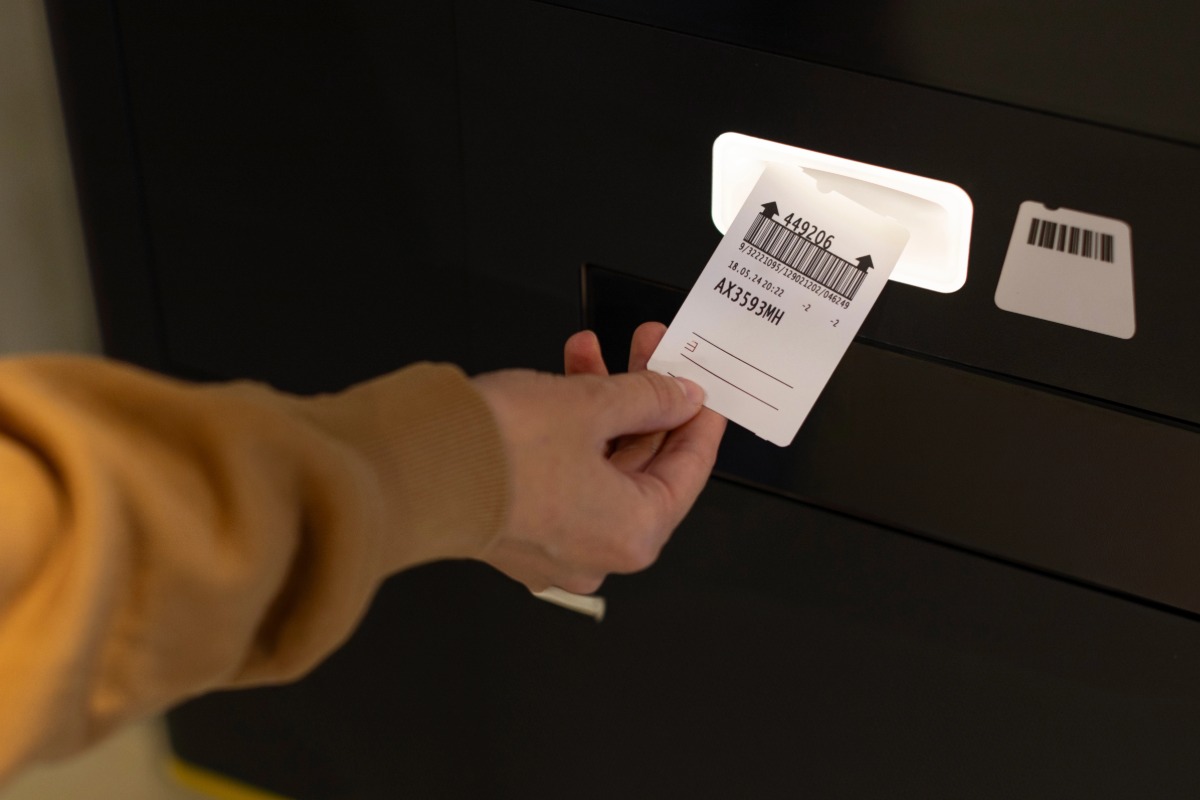
Buying concert, airline, or event tickets online often adds a 20–30% convenience fee at checkout. These drip priced extras appear only after you commit. Skip them by booking directly through venue box offices or asking about bundled all in fees upfront. Comparison shopping pays off here.
Related: I Cook, I Budget, I Shop, But I Still Feel Guilty Spending
Resort or Facility Fees

Hotels often tack on per night resort or facility fees under vague names, adding $10 to $40 to each stay. These fees are often mandatory yet not included in the headline room price. Avoid surprises by asking for an all in price before booking or picking no fee accommodations.
Related: These 11 Kitchen Habits Can Wreck Your Retirement Budget
Credit Card Surcharges

Some merchants tack on surcharges, typically 1–4% for using credit cards to offset swipe fees. These can cost you hundreds annually if unnoticed. Avoid them by paying cash, using a debit card, or inserting or swiping rather than tapping your chip card. Many vendors must disclose these fees, but not all do.
Related: 8 Moms Share Their Money Glow Up Stories From $0 To Stability
Hidden charges don’t have to hold your money hostage. With awareness, proactive steps like choosing transparent banks, going digital, and reading the full cost before signing, you can reclaim every dollar. These 13 sneaky fees are avoidable once you know what to look for, and the payoff is a smoother, smarter financial life.
Disclaimer: This list is solely the author’s opinion based on research and publicly available information.
12 Money Leaks You Didn’t Realize Are Draining Your Bank Account

It is often not the grand purchases that sabotage your savings. More often, it is the quiet, repeated decisions that seem insignificant in the moment but gather strength over time. These subtle leaks hide in habits, unnoticed until the damage is visible in dwindling balances and rising stress. In a world designed to make spending effortless, awareness becomes your greatest form of defense.
Read it here: 12 Money Leaks You Didn’t Realize Are Draining Your Bank Account
7 Money Mistakes Every 20 Something Regrets By 30

In your twenties, it’s easy to think there’s endless time to get money right. But choices made now shape your financial future more than you think. Small missteps can quietly grow into bigger burdens by the next decade. Recognizing the most common traps early can save time, money, and stress later.
Read it here: 7 Money Mistakes Every 20 Something Regrets By 30
What I Would Tell the Me Who Bought Formula On A Credit Card

Here are certain moments in life that etch themselves into memory not because of grandeur but because of quiet desperation. I can still see the fluorescent lights of the grocery store, the late hour, the way my hands trembled slightly as I slid the card across the counter. I was not buying something frivolous, I was buying formula, something so essential and yet so heavy on my spirit because I knew I did not have the money. Not really, I had credit, which is not the same thing. I had worry bundled into plastic. I had a baby to feed and no time to cry.
Read it here: What I Would Tell the Me Who Bought Formula On A Credit Card