14 Spending Habits That Quietly Destroy Financial Freedom Over Time
Achieving financial freedom isn’t about making a single smart decision; it’s about cultivating habits that allow your wealth to grow over time. However, many of us unknowingly adopt spending patterns that eat away at our financial future. These habits often seem innocent, but over time, they quietly erode your ability to save, invest, and build wealth. These 14 spending habits could be sabotaging your journey to financial freedom.
Constantly Upgrading to the Latest Gadgets

Technology is evolving faster than ever, and it’s tempting to upgrade your gadgets every time a new version comes out. From smartphones to laptops and smart TVs, the urge to own the latest model can drain your wallet over time. Even though these purchases seem necessary for work or daily life, upgrading unnecessarily prevents you from accumulating wealth.
Not Tracking Small Purchases

Those daily small purchases, a coffee, a snack, or a quick lunch out, seem insignificant at the moment. However, when you add them up over weeks or months, they can total hundreds of dollars. These “small leaks” in your budget often go unnoticed but can silently destroy your financial freedom.
Related: 13 Smart Spending Habits That Could Supercharge Your Net Worth
Living Beyond your Means

It’s easy to keep up with the Joneses and live a lifestyle that’s beyond your current income. From renting or buying a house you can’t afford to driving a car with payments that eat up your paycheck, living beyond your means is one of the fastest ways to sink into debt.
Related: 12 Things Millennials Regret Spending On In 2024
Impulse Shopping

One of the most destructive habits to financial health is impulse shopping. Whether you’re in-store or online, those spur of the moment purchases add up quickly. Many people don’t realize how often they make unplanned purchases that are unnecessary. A simple trick to curb this habit is to implement a 24-hour rule.
Related: 12 Fast Ways To Adjust When Living On A Fixed Income
Paying for Subscriptions you Don’t Use

How many subscriptions are sitting on your credit card right now, just collecting dust? Streaming services, gym memberships, apps, and meal kits can all feel essential, but if you’re not actively using them, they’re just draining your account. Review your subscriptions regularly and cancel those you no longer use.
Related: 13 Things Broke People Do That Rich People Avoid Like The Plague
Tired of money feeling messy? Get clear, simple tips for managing your family’s finances, straight to your inbox. Sign Up Here
Relying on Credit Cards for Everyday Purchases

Using credit cards for everyday purchases can quickly spiral into debt if you don’t keep track of what you’re spending. The allure of rewards points or cashback is tempting, but if you don’t pay off the balance in full every month, interest charges can skyrocket, undoing any financial benefit.
Related: 13 Roth IRA Secrets Every 40-Something Should Know
Eating Out Too Often

Dining out is one of the quickest ways to drain your budget, and it often becomes a regular habit without you even realizing it. Whether it’s grabbing lunch at work or treating yourself to dinner with friends, these meals can easily add up. While eating out occasionally is fine, making it a habit can take a serious toll on your finances.
Not Having an Emergency Fund

Living without an emergency fund is one of the most dangerous spending habits. Without one, unexpected expenses, such as car repairs or medical bills, can send you into debt. Establishing an emergency fund should be a top priority in your budget. Aim to save at least three to six months of living expenses to cover any unplanned financial setbacks.
Related: 12 Times It Actually Makes Sense To Dip Into Savings
Constantly Upgrading your Wardrobe
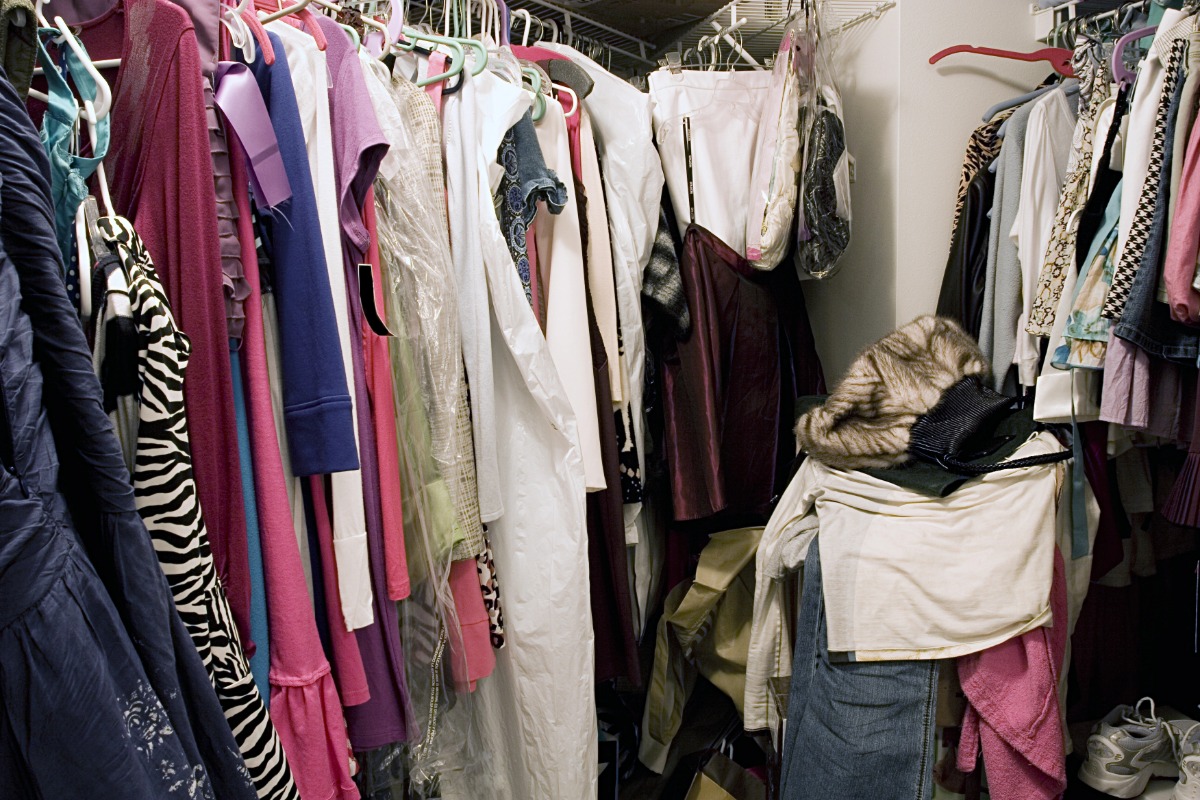
The pressure to stay on top of fashion trends can lead to excessive spending on clothes. But constantly upgrading your wardrobe, even when your closet is full, is a habit that takes a toll on your finances. Instead of always buying new items, focus on building a timeless wardrobe with quality pieces that can be mixed and matched.
Related: 14 Common Budget Myths That Waste Money
Not Comparing Prices Before Buying
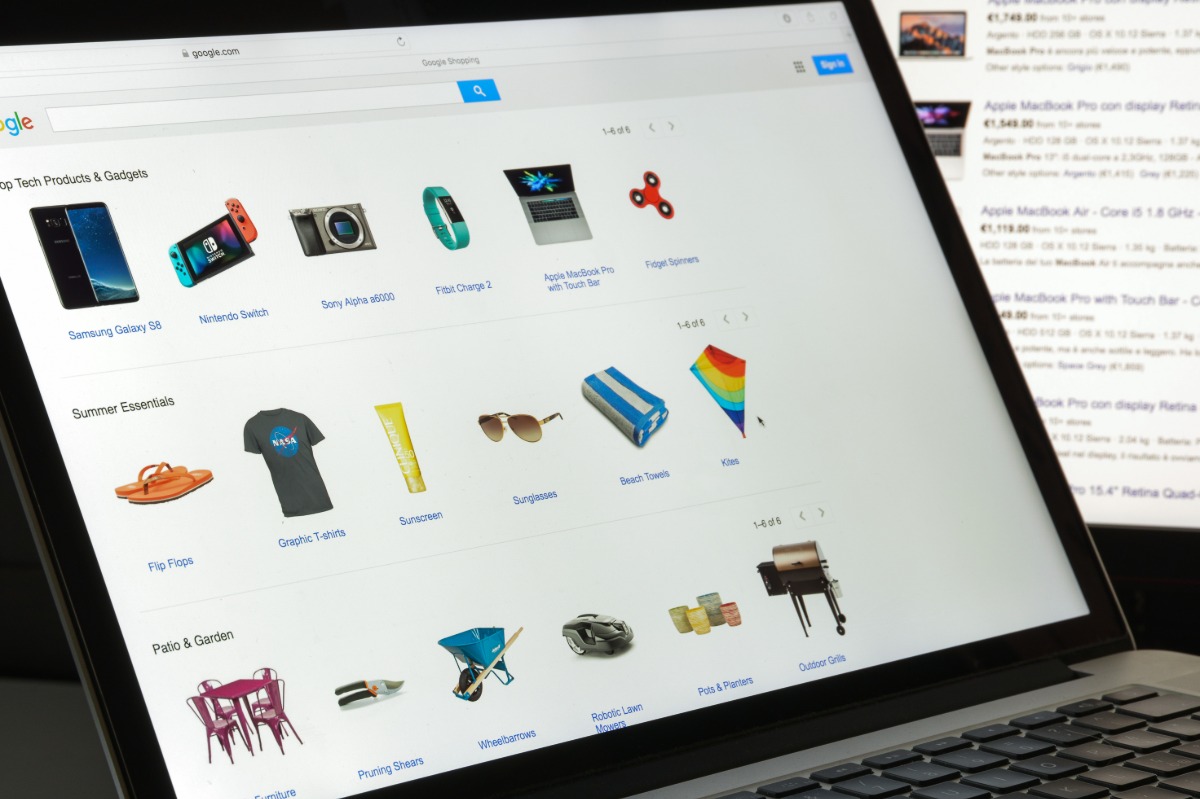
It’s easy to shop impulsively without considering whether there are better deals elsewhere. However, failing to compare prices can lead to unnecessary overspending. Before making a purchase, take a few moments to check prices on other websites or stores, or use price comparison tools like Google Shopping.
Want budgeting tips that actually work with a toddler on your hip? This is for you. 👉 Get The Emails
Financing Items you Can Afford to Save for

Financing purchases that you could afford to save for is a bad habit that keeps you in a cycle of debt. Whether it’s a new car or an expensive piece of furniture, buying items on credit when you can save for them over time means you’re paying interest on something that doesn’t necessarily need to be financed.
Related: 13 Sneaky Fees And How To Dodge Them
Failing to Set and Stick to a Budget

A lack of budgeting is one of the most common financial pitfalls. Without a clear plan for your income and expenses, it’s easy to overspend and end up with little or no savings. Setting a budget and sticking to it is essential for achieving financial freedom. Track your income, set aside money for savings, and allocate specific amounts for different spending categories.
Related: 12 Ways To Grow Your Money Without Living Like You’re Broke
Not Taking Advantage of Employer Benefits

Many people overlook the potential savings they can get from their employer’s benefits package. Whether it’s contributing to a 401k, using health savings accounts, HSAs, or taking advantage of wellness programs, there are often financial perks that go unused.
Related: 13 Financial Moves SAHMs Wish They Knew Sooner
Hey mama, feeling financially stuck? Join Wallet Clarity for real life money tips made for your season. Join Here
Paying Bills Late
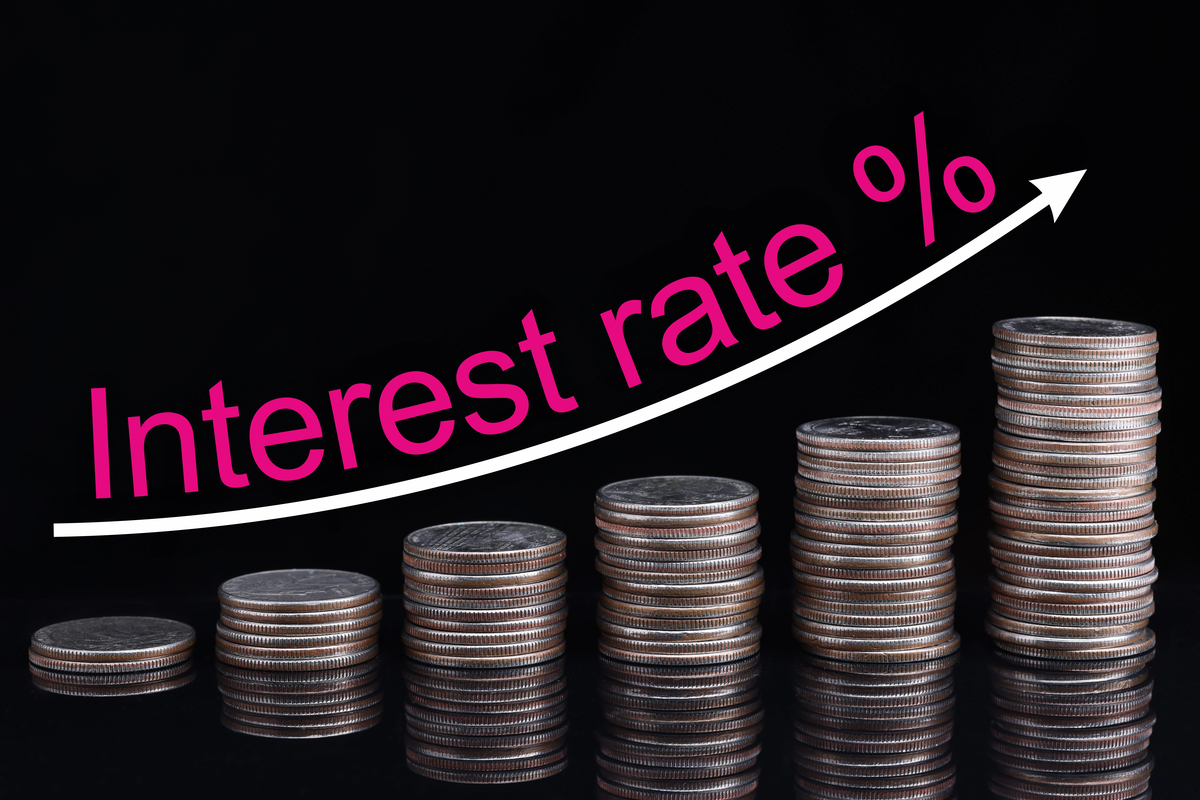
Late payments can lead to fees, higher interest rates, and a damaged credit score. Not paying bills on time is a subtle yet destructive habit that can have long term financial consequences. Set up automatic payments for recurring bills, or schedule reminders to pay them on time. Avoiding late payments helps you save money and maintain a good financial standing.
Related: 13 Shocking Truths About Frugality That Could Save You A Fortune
Financial freedom isn’t achieved overnight, but with consistent, thoughtful actions, you can work towards it steadily. The key is recognizing the subtle spending habits that can quietly chip away at your financial future and replacing them with smarter, more intentional choices. By addressing these 14 habits, you will start cultivating a mindset that supports long-term financial well-being.
Disclaimer: This list is solely the author’s opinion based on research and publicly available information.
12 High‑Interest Habits That Cost You More Than You Think

Did you know that small, routine choices like paying only the minimum due or relying on “interest free” payment options can quietly siphon hundreds or even thousands from your savings? These 12 modern habits may seem minor at first, but rapidly compound into financial drains. Find out how each one hurts your wallet and what you can do to stop them fast.
Read it here: 12 High‑Interest Habits That Cost You More Than You Think
12 Gen Z Money Habits That Could Save The Next Generation

Gen Z may be young, but when it comes to money, they’re rewriting the rulebook in real time. Raised in the age of digital wallets, financial crises, and side hustle culture, this generation has learned to approach finances with resilience and creativity. Dive in to view how these 12 fresh, fearless money habits could set the next generation up for a smarter, stronger financial future.
Read it here: 12 Gen Z Money Habits That Could Save The Next Generation
13 Rookie Finance Mistakes Young People Make Over And Over

When it comes to money, youth is a double edged sword full of potential but often shadowed by costly missteps. Young adults today are more informed than ever, yet many still fall into the same financial traps their parents warned them about. Let’s break down 13 rookie finance mistakes that young people keep repeating and how to avoid them before they cost you big.
Read it here: 13 Rookie Finance Mistakes Young People Make Over And Over
You’ll love these related posts:
- 14 Budget Shifts You Wish You Made Before The Bills Piled Up
- 13 Money Choices That Separate The Broke From The Wealthy
- 12 Financial Independence Hacks No One Told You Actually Work
- 13 Work-From-Home Moms Reveal The Budget Secrets That Saved Their Finances
- 12 Side Hustles Moms Are Quietly Turning Into Six-Figure Empires