How To Buy Your First Home
Buying your first home is a dream for many, but it often feels overwhelming when you’re just starting out. Between saving for a down payment, getting approved for a mortgage, and choosing the right location, it can seem like a puzzle with too many pieces. The great news? With the right steps, learning how to buy your first home can be smooth, exciting, and absolutely rewarding.
Understand Your Budget Early
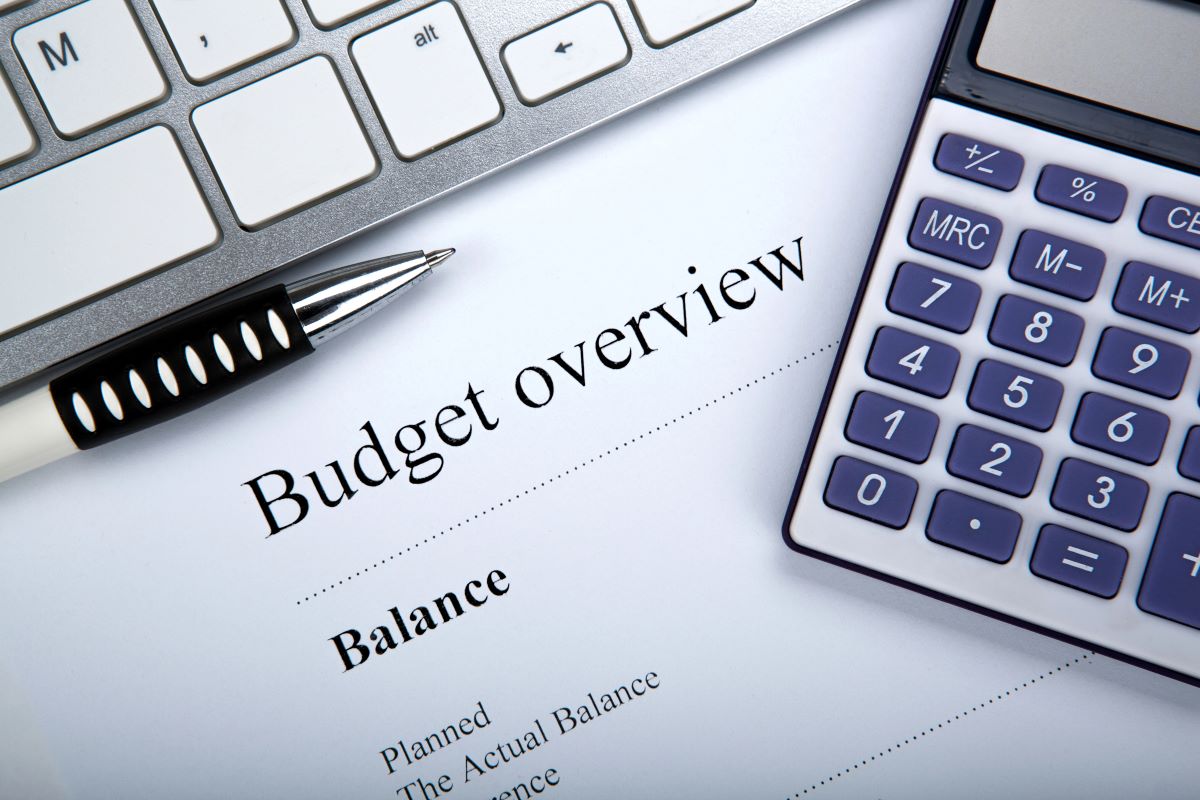
The first step in how to buy your first home is taking a deep dive into your finances to know exactly what you can afford. Look beyond just the monthly mortgage by factoring in utilities, taxes, and insurance for a realistic picture. Setting a clear budget up front helps you avoid stretching your finances too thin later.
Save for a Down Payment

When it comes to how to buy your first home, saving for a down payment is one of the biggest challenges, but also the most important. Most lenders expect at least 5% to 20% of the purchase price, depending on the loan program you qualify for. The larger your down payment, the more equity you start with and the smaller your long-term payments.
Related: 14 Retirement Saving Moves That Beat Inflation Over Time
Improve Your Credit Score

A crucial part of how to buy your first home is working on your credit score, because it directly impacts your loan eligibility and interest rate. Paying down debts, avoiding late payments, and limiting new credit inquiries can raise your score quickly. The better your credit health, the more negotiating power you’ll have with lenders.
Related: 13 Financial Targets You Should Be Hitting Every Decade
Get Pre-Approved for a Mortgage

Another essential step in how to buy your first home is securing a mortgage pre-approval before house hunting. Pre-approval tells you exactly how much the bank is willing to lend you and shows sellers that you’re serious. It also speeds up the buying process once you find a property you love.
Related: 12 Money Apps That Make Budgeting Fun For People Who Hate Numbers
Research Loan Options

Understanding the different loan programs available is key to learning how to buy your first home wisely. Options like FHA, VA, USDA, or conventional loans all come with unique benefits and requirements that could fit your situation. Comparing interest rates, terms, and qualifications ensures you pick the one that saves you the most money.
Tired of money feeling messy? Get clear, simple tips for managing your family’s finances—straight to your inbox. Sign Up Here
Decide on the Right Location

If you’re figuring out how to buy your first home, don’t underestimate the power of location—it can make or break your decision. Look at commuting times, school districts, safety ratings, and neighborhood amenities that fit your lifestyle. A great location not only boosts daily convenience but also increases your home’s resale value over time.
Related: 12 Ways Scripture Supports Saving And Investing Without Guilt
Work With a Real Estate Agent

Hiring a knowledgeable real estate agent can completely change your experience of how to buy your first home. Agents guide you through the process, negotiate on your behalf, and catch important details you might overlook. Their expertise helps reduce stress and prevent costly mistakes along the way.
Create a Must-Have List

A practical way to stay focused while learning how to buy your first home is to create a detailed list of must-haves. Decide which features you absolutely need—like a certain number of bedrooms, a garage, or a backyard—and which are negotiable. Having clear priorities keeps you from getting swayed by extras that don’t truly matter.
Related: 12 Spending Habits That Help Couples Thrive Together
Factor in Closing Costs

One of the hidden challenges in how to buy your first home is budgeting for closing costs, which many first-time buyers overlook. These can include appraisals, inspections, title fees, and legal expenses that usually add up to 2–5% of the home price. Planning for these costs upfront ensures you’re not caught by surprise.
Related: 13 Habits That Keep You Broke No Matter How Much You Earn
Schedule a Home Inspection

Even if a house looks perfect, how to buy your first home should always include a professional inspection. Inspections reveal hidden problems like faulty wiring, plumbing issues, or foundation cracks that aren’t visible at first glance. This knowledge gives you leverage to negotiate repairs or back out if necessary.
Want budgeting tips that actually work with a toddler on your hip? This is for you. 👉 Get The Emails
Don’t Overspend on Renovations

A big part of how to buy your first home wisely is resisting the urge to overspend on renovations right away. Focus on necessary fixes that make the home safe and livable before splurging on cosmetic upgrades. Taking it step by step protects your budget while still letting you personalize your space.
Related: 13 Financial Beliefs That Secretly Keep You Broke Without Realizing
Plan for Future Costs

Learning how to buy your first home also means preparing for the ongoing expenses of ownership, not just the initial purchase. Property taxes, homeowners’ insurance, maintenance, and unexpected repairs will all add to your monthly costs. Planning ahead keeps your finances balanced and avoids stressful surprises.
Related: 14 Mind Tricks That Help You Stop Spending Without Feeling Poor
Negotiate With Confidence
Negotiation is one of the most powerful tools in how to buy your first home, and many buyers don’t use it enough. Whether it’s asking for a lower price, requesting repairs, or having the seller cover some closing costs, it all matters. Confident negotiation can save you thousands and give you a better deal overall.
Hey mama—feeling financially stuck? Join Wallet Clarity for real-life money tips made for your season. Join Here
Avoid Emotional Decisions

Emotions often run high during house hunting, but how to buy your first home requires logical thinking, too. Falling in love with the wrong property can cause you to overspend or ignore serious flaws. Staying level-headed helps you choose a home that’s practical, affordable, and right for your future.
Related: 13 Things You Can Stop Buying That Buy You Financial Freedom
Think Long-Term Value

A smart tip for how to buy your first home is to consider how it will serve you years down the road. Look at the property’s resale potential, the neighborhood’s growth, and whether it fits your long-term life goals. Thinking ahead turns your purchase into both a home and a strong financial investment.
Build an Emergency Fund
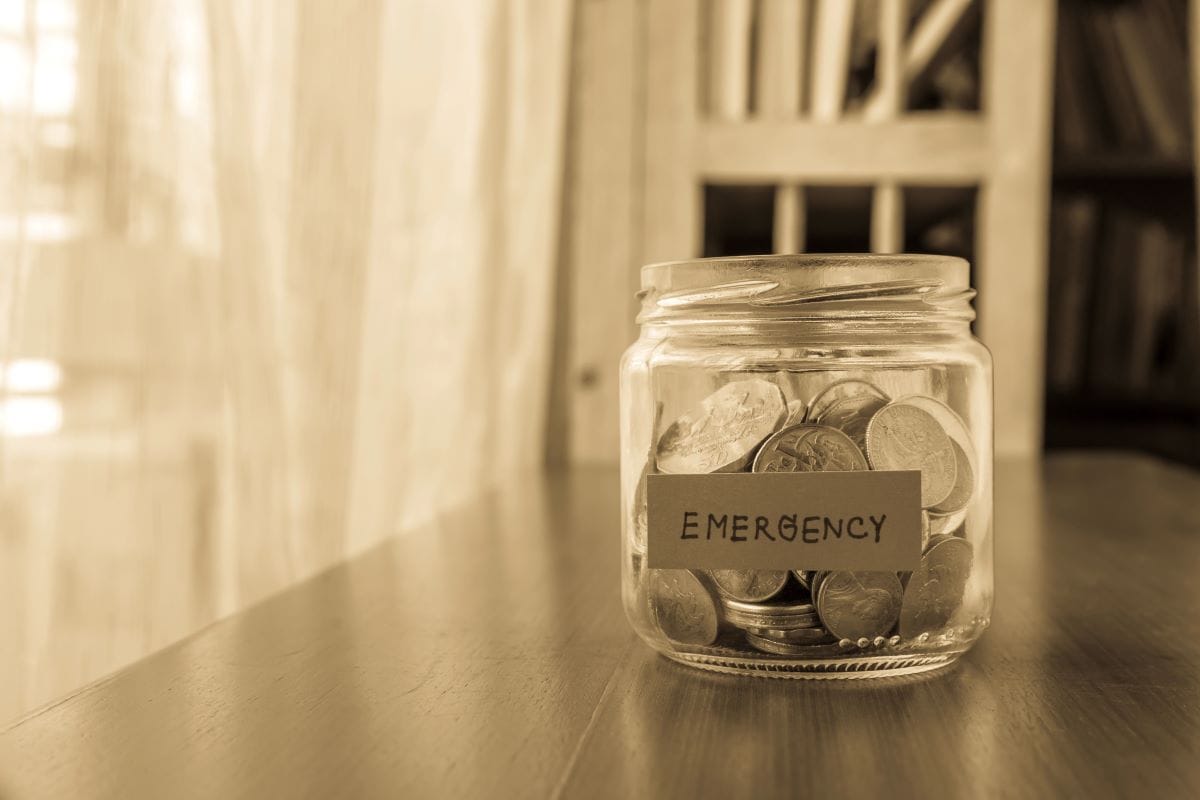
Building an emergency fund is one of the smartest steps in how to buy your first home successfully. Homeownership comes with unexpected costs like a broken furnace, roof repair, or sudden job change that can affect your budget. Having savings set aside gives you peace of mind and financial security.
Get Homeowners Insurance

Another non-negotiable in how to buy your first home is securing reliable homeowners’ insurance. This protects your property from risks like theft, natural disasters, and liability claims, which could otherwise cost you heavily. Good coverage keeps both your home and your financial health protected.
Be Patient and Persistent

Finally, one of the most valuable lessons in how to buy your first home is learning patience and persistence. The process may involve setbacks, bidding wars, or longer timelines than you expected. Staying focused and flexible ensures you eventually land the right home without unnecessary stress.
Related: 12 Reasons Why Delayed Gratification May Be The Real Secret To Wealth
Buying your first home doesn’t have to feel like an impossible challenge. With planning, patience, and smart financial decisions, you’ll quickly master how to buy your first home with confidence. From budgeting and saving to negotiating and protecting your investment, every step brings you closer to your dream.
Disclaimer: This list is solely the author’s opinion based on research and publicly available information.
12 Tiny Shifts That Turned Regular Workers Into Wealth Builders

Wealth, as it turns out, is not always born of big promotions or large inheritances. Often, it is the quiet product of subtle shifts made by everyday individuals teachers, clerks, drivers, and caregivers who decided to change course in small but deliberate ways.
Read it here: 12 Tiny Shifts That Turned Regular Workers Into Wealth Builders
13 Money-Saving Habits That Made Ordinary People Millionaires

Becoming a millionaire doesn’t always require a high paying job, a rich inheritance, or a glamorous lifestyle. Many self made millionaires got there by following a few simple but powerful money saving habits.
Read it here: 13 Money-Saving Habits That Made Ordinary People Millionaires
12 Apps That Track Spending So Well You’ll Feel Like You Got A Raise

There comes a moment in nearly every financial journey when one realizes that wealth is not solely about earning more, but about spending better. In this age of quiet automation and invisible subscriptions, money slips through digital cracks with little more than a tap or a swipe.
Read it here: 12 Apps That Track Spending So Well You’ll Feel Like You Got A Raise
You’ll love these related posts: