15 Smart Budgeting Tips For Dual-Income Households
Having two incomes feels like a golden ticket, but without clear planning, it can quickly slip through your fingers. Many couples assume that dual paychecks mean fewer money worries, yet that often leads to more untracked spending. Budgeting is not about being restrictive, it is about being intentional together. When both partners unite with a shared strategy, real financial power begins.
Create a Personal and Shared Budget Bucket

Divide your expenses into three main zones: yours, mine, and ours. Shared costs like rent and groceries come from the joint account, while personal funds give each person guilt free spending freedom. This balance keeps resentment from creeping in.
Set a Monthly Money Meeting

Just like a check-in for your relationship, your finances deserve a regular spotlight. Schedule one dedicated evening a month to review your budget, goals, and upcoming expenses. These meetings encourage teamwork and reduce financial surprises. When you talk money regularly, it stops being a stressor and becomes a strength.
Related: 12 Money Leaks You Didn’t Realize Are Draining Your Bank Account
Automate the Essentials First

Directly transfer money to savings, debt, and bills before any spending starts. Automation ensures that critical financial priorities never get missed or delayed. It takes emotion and impulse out of the equation. You will build discipline effortlessly just by letting systems do the work.
Related: 8 Emotional Money Traps Moms Fall Into And How To Break Free
Use the 50 30 20 Rule as a Starting Line

This budget formula helps simplify decision making around your income. Allocate 50 percent to needs, 30 percent to wants, and 20 percent to savings or debt. While not rigid, it offers a solid baseline to guide conversations. Couples often find clarity just by having these percentages to work from.
Related: 6 Dumbest Things I Did With Money at 22 And How You Can Avoid Them
Plan Paychecks Strategically

If your paydays are staggered, map out which income covers which expenses. Assign one partner’s check to essentials like rent and the other to discretionary items or savings. This prevents gaps, delays, and missed deadlines. Strategic paycheck planning smooths the flow of money through your month.
Related: 10 Tiny Daily Money Tweaks That Could Save You $5,000 This Year
Tired of money feeling messy? Get clear, simple tips for managing your family’s finances, straight to your inbox. Sign Up Here
Build a Buffer, not Just Savings

Emergency funds are long term, but a buffer in your checking account handles daily curveballs. Having a few hundred dollars ready to absorb surprises can prevent overdrafts and panic. It is peace of mind between paydays. This mini cushion gives your main savings room to breathe.
Related: 8 Moms Share Their Money Glow Up Stories From $0 To Stability
Prioritize Debt as a Team Goal

List every shared and individual debt, and decide on a joint plan to eliminate them. Whether you use the snowball or avalanche method, do it together and celebrate milestones. Tackling it as a united front turns stress into progress. Debt freedom feels faster and less lonely when it is a team mission.
Assign Financial Roles Based on Strengths

Some people love crunching numbers, others are great long term planners. Let one person handle tracking and the other focus on research, goals, or bill payments. This division of labor reduces burnout and boosts success. When both are involved in their own way, it creates balance, not friction.
Related: 7 Money Mistakes Every 20 Something Regrets By 30
Cap Lifestyle Creep Before it Creeps In

The more you earn, the more tempted you are to upgrade cars, gadgets, and groceries. Pause and question each new expense: does it align with your values or just your paycheck? Unchecked lifestyle creep drains wealth quietly. Financial growth comes not from what you earn but from what you keep.
Related: 12 Money Saving Hacks That Saved Me As A Struggling Mom
Create a ‘Fun Fund’ Together

Budgeting does not have to be boring or restrictive when you build joy into the plan. Set aside money each month for shared experiences like date nights, weekend trips, or new hobbies. Having a fun fund keeps life exciting and prevents impulse splurges. It turns budgeting into a lifestyle you enjoy.
Want budgeting tips that actually work with a toddler on your hip? This is for you. 👉 Get The Emails
Stagger Financial Goals Over Time

Instead of chasing every dream at once, focus deeply on one or two goals at a time. Buy the house first, then tackle the student loan or travel fund later. This method keeps you energized. Success builds when goals are spaced and stacked thoughtfully.
Related: 8 Ways Faithful Christians Can Manage Money Without Guilt
Reevaluate Subscriptions Every Quarter

Those five dollar charges for apps and subscriptions add up fast. Sit down every few months to cancel anything unused, duplicated, or no longer necessary. This keeps your budget lean and reflective of your actual lifestyle. Subtracting waste is just as powerful as earning more.
Related: 10 Things You’re Wasting Money On In Your 20s
Maximize Employer Benefits as a Duo

When both partners work, the benefit packages should work together, too. Compare plans for health, retirement matches, commuter perks, and flexible accounts. Choosing the better offering can save hundreds or even thousands yearly. Taking full advantage of what is free or discounted boosts your budget instantly.
Related: 12 Items To Sell Before Retirement You Will Never Miss
Hey mama, feeling financially stuck? Join Wallet Clarity for real life money tips made for your season. Join Here
Celebrate Wins and Adjust Without Blame

Recognize every little win, like sticking to a meal plan or reaching a savings goal. If a mistake happens, do not blame; just regroup and revise the strategy. Encouragement creates momentum, while criticism shuts it down. Growth happens faster when your budget journey feels like a victory, not a punishment.
Related: 10 Spiritual Shifts That Helped Me Stop Stressing About Money
Track Every Dollar Like a Team Sport
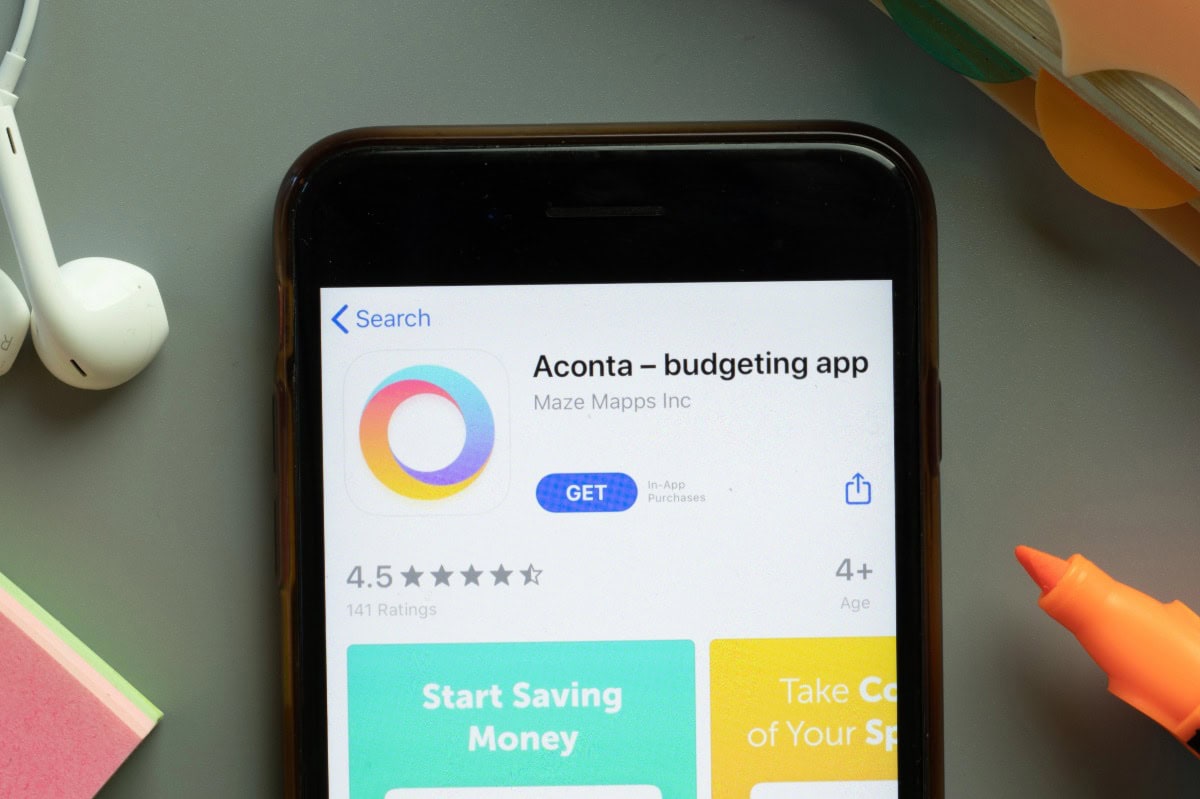
Budgeting is far more effective when both partners actively track where the money flows. Use a shared budgeting app or synced spreadsheet that you both check weekly. This turns money management into a habit rather than a hassle. Knowing what is happening financially keeps both of you empowered and alert.
Related: God, Money & Me: 10 Faith-Based Rules For Financial Peace
Managing two incomes is not just about having more money; it is about using it more meaningfully. These strategies help couples get aligned, stay focused, and grow wealth together without losing joy. When budgeting becomes a shared lifestyle, financial goals stop feeling distant. You are not just earning, you are building a future that reflects your dreams.
Disclaimer: This list is solely the author’s opinion based on research and publicly available information.
11 Money Lessons I Wish I Had Taught My Daughter Sooner

Looking back, I realize there are key money lessons I should have shared with my daughter earlier. Teaching financial wisdom is one of the greatest gifts we can pass down. It builds confidence, independence, and peace in life’s ups and downs. Here are the lessons I wish I had started teaching much sooner.
Read it here: 11 Money Lessons I Wish I Had Taught My Daughter Sooner
13 Things My Grandkids Taught Me About Money

As much as we try to guide the younger generation, sometimes they teach us lessons we never expected. Watching my grandkids handle money in today’s world opened my eyes to new habits and fresh perspectives. They are fearless, creative, and intentional in ways that surprised me deeply. These are the powerful financial lessons I learned just by observing their daily choices.
Read it here: 13 Things My Grandkids Taught Me About Money
Dear Mom: Your Money Lessons Still Matter Today

You might not have had financial degrees or fancy spreadsheets, but your lessons ran deep. Watching you stretch dollars, plan meals, and give generously left a mark that time cannot erase. Your quiet strength taught us that money is more than math; it is stewardship, sacrifice, and heart. And now, those early lessons are shaping how we build our own financial lives.
Read it here: Dear Mom: Your Money Lessons Still Matter Today