12 Secrets To Spending Less Without Living Like You’re Broke
There is an art to living well without spending excessively. It is not always about denial, sacrifice, or endlessly clipping coupons. True financial wisdom lies in learning how to honor your lifestyle while being fully aware of your limits. For many people, the fear of appearing frugal leads to impulsive purchases, temporary satisfaction, and long-term stress. These twelve subtle but powerful strategies reveal how to shift your habits, your mindset, and your relationship with money, without surrendering quality or joy in the process.
Prioritize Value Over Price

Being frugal does not mean buying the cheapest item. It means buying what lasts and works well. Spend with longevity in mind, choosing products that offer reliability, comfort, or craftsmanship. A well made item used for years often costs less per use than its bargain-bin counterpart.
Automate Savings Like a Monthly Bill

Set up your savings to withdraw automatically, just like your rent or utilities. By treating it as non negotiable, you remove the emotional friction. You will grow your savings without thinking, and over time, the balance becomes a comforting reminder of your discipline.
Related: 13 Simple Shifts That Can Add Six Figures To Your Retirement Account
Embrace the Power of a Budget with Flexibility
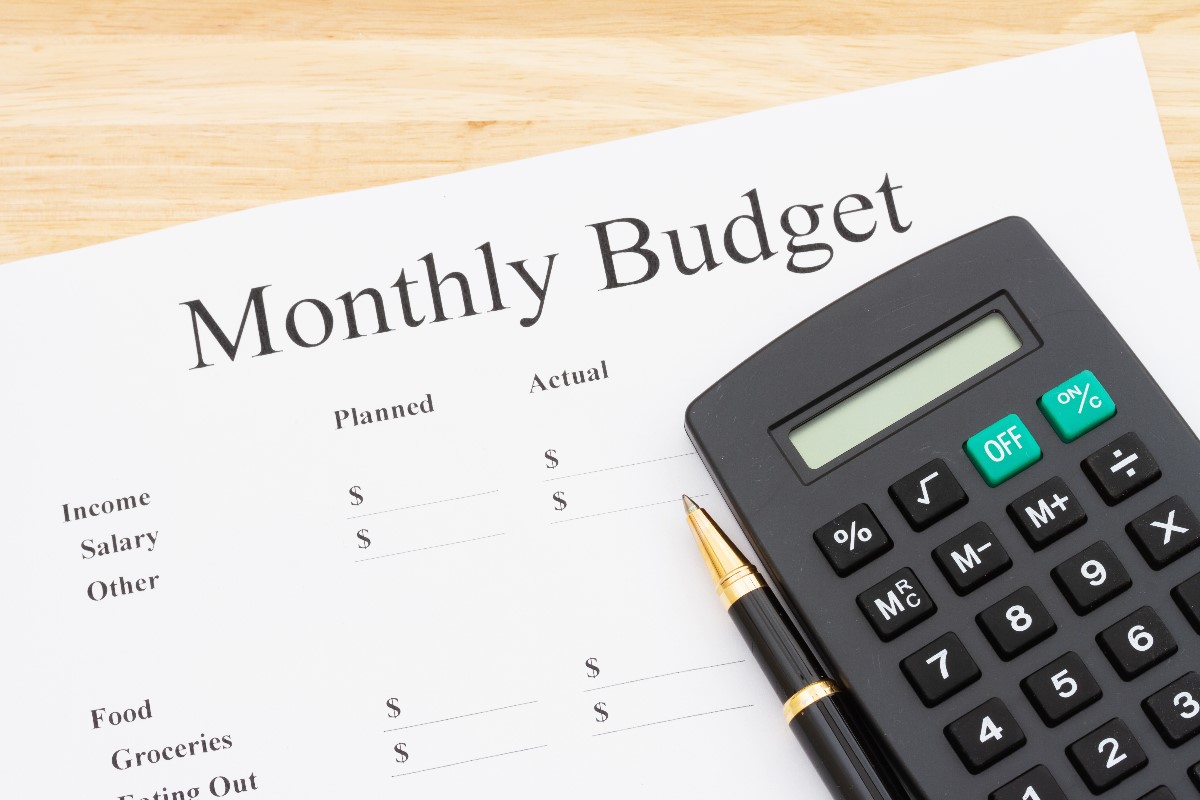
Budgets should be living tools, not rigid rules. Give yourself categories for both essentials and enjoyment. When you know where your money goes, you spend more freely and confidently, because every dollar has a place and a purpose, even the ones set aside for pleasure.
Related: 14 Clever Tricks Rich Retirees Use That Nobody Talks About
Unsubscribe from the Noise of Marketing

Email lists, push notifications, and social ads are engineered to trigger spending. Unsubscribe from retailers that encourage impulse buying. The less temptation you face, the more intentional your purchases become, and the less likely you are to confuse want with need.
Related: 12 Ways Retirees Accidentally Go Broke Without Realizing It
Master the Art of Delayed Gratification

Postponing a purchase by forty eight hours creates distance between emotion and decision. Often, what felt urgent becomes unnecessary. Practicing this pause gives you space to evaluate, compare, and determine whether the item is truly worth your money or simply your mood.
Related: 13 Retirement Tips That Could Save You From Eating Instant Noodles at 75
Tired of money feeling messy? Get clear, simple tips for managing your family’s finances, straight to your inbox. Sign Up Here
Use Cash or Debit for Discretionary Spending

Swiping a credit card disconnects you from your spending. Instead, set aside a weekly amount in cash or debit for nonessentials. This simple switch increases mindfulness, reduces debt risk, and provides a clear stopping point before overindulgence sets in.
Related: 13 Hidden Steps Planners Use To Bulletproof Their Money Goals
Repurpose Before you Replace

A surprising amount of spending comes from replacing items that could be repurposed. Before buying new, consider whether something at home can serve the need. This practice fosters creativity, minimizes waste, and keeps your money in your wallet, not in the landfill.
Related: 12 Planning Mistakes That Could Destroy Your Financial Future
Buy Groceries with a Weekly Plan

Meal planning is more than a convenience. It is a guardrail against waste and last minute takeout. A clear grocery list ensures you buy only what you need, helping you use what you already have, while reducing impulsive pantry purchases that quietly add up.
Related: 13 Genius Ways To Spend Smarter Without Feeling Deprived
Choose Experiences That do not Rely on Spending

You do not need to buy something to enjoy your day. Walks, free museums, library visits, and time with friends offer deep satisfaction without costing a cent. These experiences create memories without financial hangovers, anchoring your life in moments, not merchandise.
Related: 12 Surprising Habits That Quietly Build Wealth Without Sacrifice
Evaluate Monthly Subscriptions Every Quarter

Streaming services, apps, memberships, and digital tools can pile up. Every few months, review what you still use. Cancel what no longer serves you. This quiet habit helps you reclaim not just money, but clarity, and brings your attention back to what truly adds value.
Want budgeting tips that actually work with a toddler on your hip? This is for you. 👉 Get The Emails
Track Small Expenses Without Obsession

Minor daily purchases often go unnoticed, yet they quietly drain your resources. Keep a casual log of small expenses. Awareness does not mean guilt; it simply means you see your patterns and can choose differently when habits become unconscious.
Related: 14 Tiny Splurges That Secretly Pay Off In the Long Run
Learn to Separate Wealth From Image

Much of modern spending is driven by the desire to be perceived a certain way. Yet financial health rarely looks flashy. It looks calm. It feels secure. Let your choices reflect your values, not others’ expectations. Peace of mind is always more elegant than display.
Related: 12 Spending Rules That Could Save You From Regret And Resentment
Spending less does not require living in poverty. It requires living with intention. These twelve principles offer a roadmap for anyone seeking to cut back without feeling deprived, to manage money without losing joy, and to embrace a lifestyle that is both wise and satisfying. By spending with awareness and purpose, you gain more than savings; you gain a life shaped by clarity and free from regret.
Disclaimer: This list is solely the author’s opinion based on research and publicly available information.
13 Psychological Tricks Smart People Use To Spend Less Without Trying

Spending money is easy; saving it? Not so much. But smart spenders know how to work with their psychology, not against it. By understanding the mental triggers that drive us to make unnecessary purchases, we effortlessly curb our spending without feeling deprived. If you want to save without constantly thinking about it, these 13 psychological tricks will help you spend less and still enjoy life’s little luxuries.
Read it here: 13 Psychological Tricks Smart People Use To Spend Less Without Trying
13 Things Broke People Say Yes To But The Rich Never Would

Money might not buy happiness, but it sure does change how you approach life’s decisions. Whether it’s lifestyle choices, social invitations, or daily spending habits, there’s a noticeable difference between what broke people agree to and what the wealthy tend to avoid. Here’s a look at 13 things broke people tend to say yes to, but the rich would never consider.
Read it here: 13 Things Broke People Say Yes To But The Rich Never Would
13 Emergency Fund Tricks That Work Even When You’re Flat Broke

When your bank account is scraping the bottom and payday feels miles away, the idea of saving money might seem impossible let alone building an emergency fund. But here’s the truth: it’s not about how much you make, it’s about how you save it. Even with limited income, small, smart steps can create a cushion that protects you during life’s unexpected storms. These 13 emergency fund will help you build from the ground up without magic or miracles.
Read it here: 13 Emergency Fund Tricks That Work Even When You’re Flat Broke
You’ll love these related posts:
- 14 Subtle Ways People Guilt Trip You Into Going Broke
- One Map Exposes America’s Most ‘Broke and Broken’ States
- 14 Grown-Up Money Rules That Stop Emotional Spending On Loved Ones
- America’s Financial Distress Map Is Out And These States Are in Crisis Mode
- One State Just Earned the Title of ‘Most Desperate’ In America And Here’s Why Everyone’s Talking