14 Money Rules No One Tells You Until You’re Drowning in Debt
By the time you realize you’re sinking into debt, you’ve already missed out on the quiet, powerful truths about money that could’ve saved you. These aren’t flashy tricks or viral TikTok tips, they’re the hard earned lessons most people only learn the hard way. We’re breaking the silence on 14 unspoken money rules that hit hardest when you’re already in the red, because it’s not just about how you spend, it’s about what you never knew could cost you everything.
Minimum Payments Aren’t Progress—They’re a Trap

Paying only the minimum on credit cards may feel like a win, but it’s quietly stacking interest against you. This trickle approach can turn a $500 purchase into a multi year sentence of financial drain. The longer it takes to pay off, the more you owe and the more control you lose.
Your Debt-to-Income Ratio Can Make or Break your Future
This number isn’t just for mortgage applications; it’s how lenders size up your risk. If your debts are eating up more than 35% of your income, you’re flagged as financially strained, whether you feel it or not. It silently determines your access to loans, jobs, and even rentals.
Related: 11 Things Moms Waste Money On, And Don’t Know It
Zero-Percent Financing isn’t Always a Deal

That shiny “0% interest for 12 months” offer sounds harmless until you miss one payment. Suddenly, all the deferred interest comes crashing down, and it’s backdated. You could be charged interest on the entire purchase, not just the leftover balance. Fine print matters more than the headline.
Related: We Didn’t Save Much, But We Raised Kids Who Did
Lifestyle Creep is your Biggest Silent Thief

As income increases, so do your expenses, often unnecessarily. That new job or raise feels exciting, but without restraint, it fuels more spending instead of more saving. Suddenly, a $70k income feels just as tight as $40k did. It’s not how much you earn, it’s how much you keep.
Related: To the Woman Who Regrets Not Saving Earlier
Emergency Funds Aren’t Optional—They’re Survival

Car trouble, job loss, or medical bills don’t send warnings. Without a safety net, any surprise turns into a debt spiral. Credit cards become your default plan, and that’s how many debts begin. Build your emergency fund before you tackle investments or big purchases. Even $500 can make a massive difference in a crunch.
Related: 13 Reasons Your Budget Still Isn’t Working
Tired of money feeling messy? Get clear, simple tips for managing your family’s finances, straight to your inbox. Sign Up Here
Credit Utilization Affects your Score More Than you Think
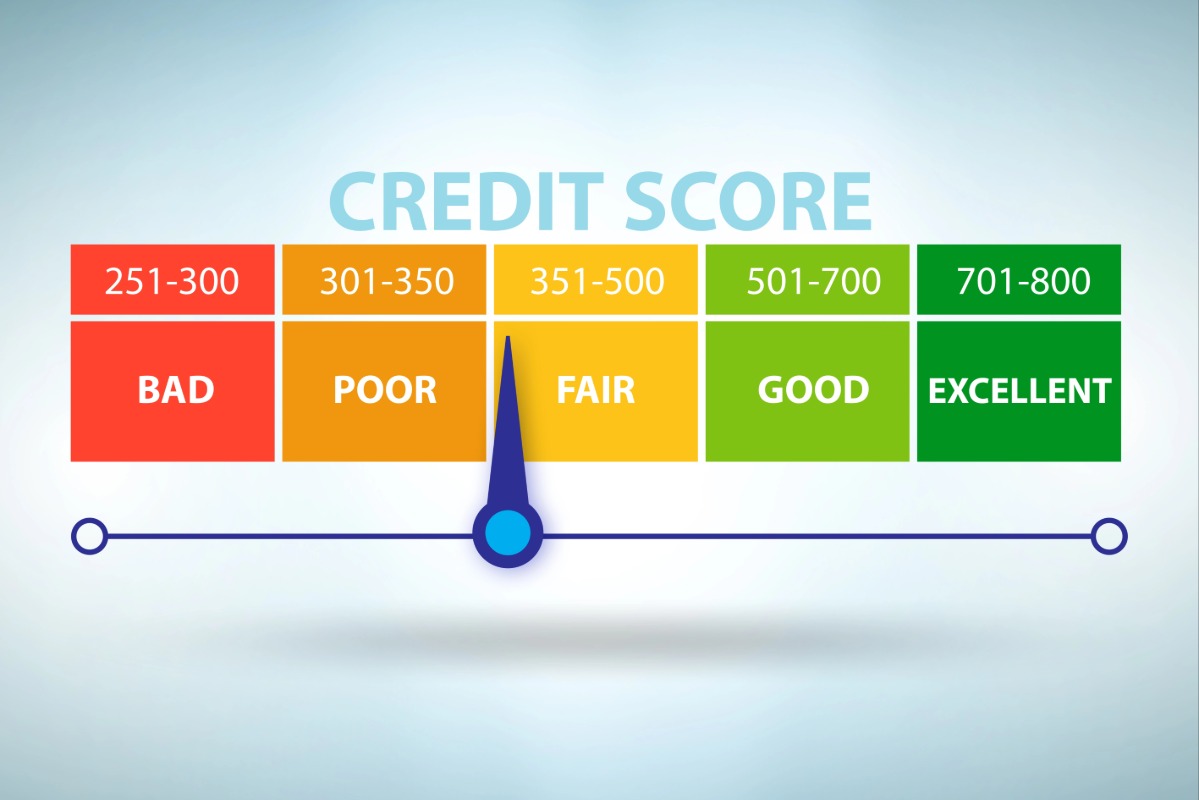
Using over 30% of your available credit, even if you pay on time, can drag your credit score down. Lenders see it as a red flag, even if you’re not late. The trick is to keep your balances low, ideally under 10%. Ask for higher credit limits, but don’t use them. It’s about showing restraint, not spending power.
Related: 12 Easy Wins For Broke And Busy Moms
Interest Rates Compound In Silence
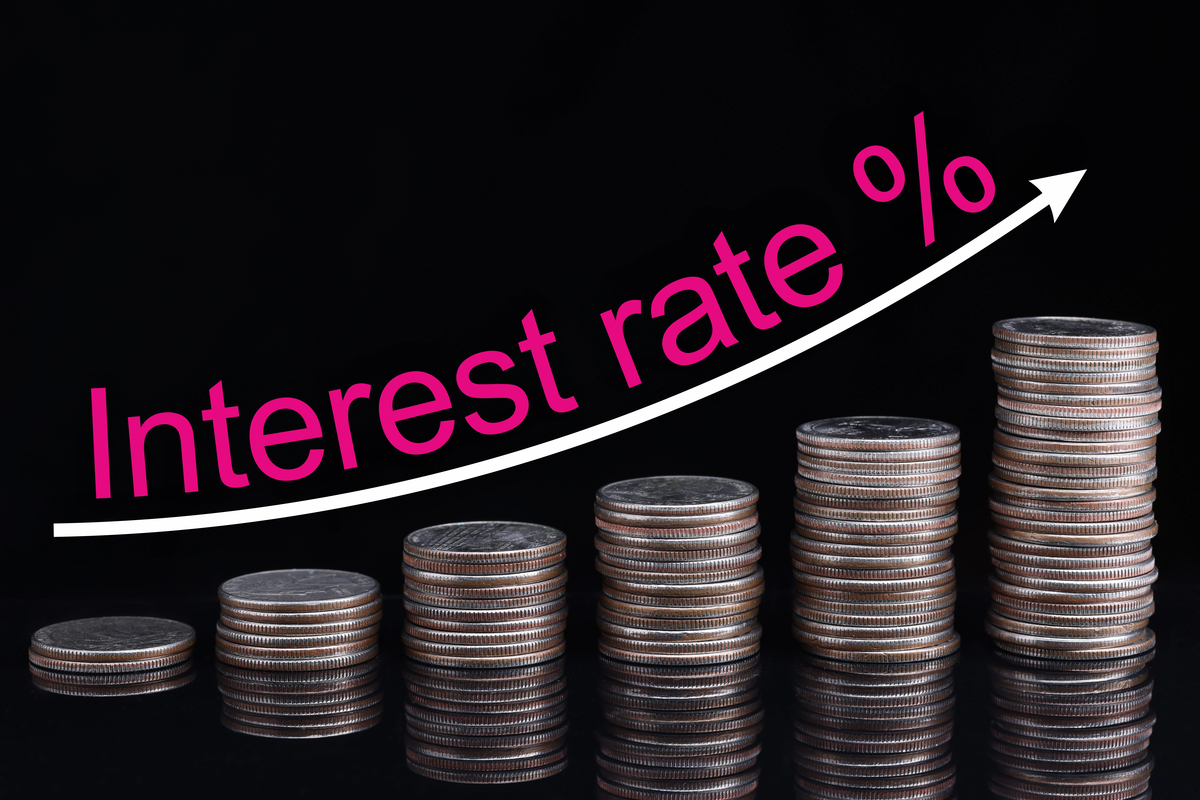
It’s not just about what you owe, but how fast that balance grows. A 22% interest rate can double your debt if left unchecked for a year. Many people underestimate the speed and weight of interest accumulation until they’re drowning. Understand every rate attached to your accounts, especially revolving credit.
Budgeting isn’t Restrictive—it’s Freedom with Clarity

Many avoid budgets, thinking they limit enjoyment, but a good budget is the opposite; it gives your money purpose. Without one, every paycheck disappears, and guilt replaces control. A budget doesn’t need to be rigid; it needs to be real. Know where your money goes and adjust intentionally.
Related: 12 Money Saving Hacks That Saved Me As A Struggling Mom
Refinancing isn’t Failure—it’s a Smart Recalibration

If your current loan terms are dragging you down, refinancing can offer relief, not shame. Many people delay this out of pride or fear of paperwork. But lower interest rates or extended terms could cut your monthly payments significantly. It’s not about escaping debt, it’s about managing it smarter.
Related: 9 Budget Lifesavers Every Single Mom Should Know About
You Don’t have to Earn More—you have to Spend Less

The myth that more income will fix your finances is just that, a myth. Without discipline, higher earnings lead to higher spending. Real wealth is built in the gap between income and expenses. Start by cutting unnecessary subscriptions, eating out less, and embracing secondhand options.
Want budgeting tips that actually work with a toddler on your hip? This is for you. 👉 Get The Emails
Debt Consolidation is a Tool, not a Cure
Rolling multiple debts into one payment can simplify your life, but it’s not a magic fix. Without new spending habits, it just delays the inevitable. Use it to breathe easier, but pair it with aggressive budgeting and a zero balance goal. Look for consolidation options with lower interest rates and no hidden fees.
Related: 12 Budgeting Apps That Do the Math for You
Co-Signing can Ruin your Financial Life

Even if it’s family, co-signing makes you equally responsible for that loan. If they miss payments, your credit suffers, and you’re legally on the hook. It may feel generous, but it can backfire spectacularly. Always ask yourself if you’d be okay repaying the entire amount solo.
Related: 12 Ways To Weather A Pay Cut Without Panic
Automatic Payments Are Helpful—but Dangerous if Unchecked

Auto pay can keep you on time, but it can also cause overdrafts and hide errors. People often forget about subscriptions or get hit with surprise charges because they weren’t monitoring closely. Review your auto pays monthly. Set reminders and don’t “set it and forget it.”
Related: 13 Budget Moves To Make Before The Next Layoff
Hey mama, feeling financially stuck? Join Wallet Clarity for real life money tips made for your season. Join Here
Your Financial Health Affects your Mental Health

Money stress quietly eats at your energy, sleep, and relationships. It’s more than numbers, it’s emotional weight. Avoiding it only deepens the burden. Facing your finances, no matter how rough, is an act of self care. Seek help, talk to advisors, and remember that debt doesn’t define you.
Related: 15 Practical Ways To Stop Impulse Shopping
Debt doesn’t appear overnight; it builds in silence, fed by the things no one told you. But knowledge is your strongest shield, and it’s never too late to course correct. These 14 rules are more than warnings, they’re wake-up calls. Whether you’re deep in the red or just trying to stay ahead, use them as a guidepost to rewrite your financial future before it rewrites you.
Disclaimer: This list is solely the author’s opinion based on research and publicly available information.
14 Things Moms Regret Buying With Tax Refunds

There is something deceptively thrilling about a tax refund. For many mothers, it feels like a long-awaited breath of fresh air, a small reward for the quiet hustle that happens behind the scenes all year. It arrives with possibility and the promise of catching up, catching a break, or catching hold of something that has long felt just out of reach. But in that hopeful blur, many moms make purchases they later wish they had skipped.
Read it here: 14 Things Moms Regret Buying With Tax Refunds
8 Ways to Build Credit When You Literally Have None

Starting from scratch with no credit history can feel like being locked out of a system designed for those already inside. But building credit is not impossible, and it does not require a loan or years of waiting. You just need the right tools, consistency, and a bit of strategy to get things rolling fast.
Read it here: 8 Ways to Build Credit When You Literally Have None
How I Paid Off $15k In Debt On A $35k Salary

I remember sitting on the edge of my bed with bills spread across the comforter, wondering how I was ever going to climb out of the hole I had dug. I was earning thirty-five thousand dollars a year, with no windfalls in sight and no backup plan. The debt was not from lavish vacations or shopping sprees, just life, car repairs, medical bills, and a few mistakes I could not undo.
Read it here: How I Paid Off $15k In Debt On A $35k Salary


