10 Things Grandmas House Taught Me About Frugal Living
Grandma’s house was not lavish. It was humble, warm, and filled with quiet lessons you could only learn by watching closely. Nothing was wasted, the curtains had been mended, the jars repurposed, and the meals stretched across more mouths than seemed possible. Frugality there did not feel like a lack; it felt like wisdom. A kind of quiet dignity ran through everything she touched. There was no boasting, no show, and certainly no impulse buying.
Fix it Before you Replace it
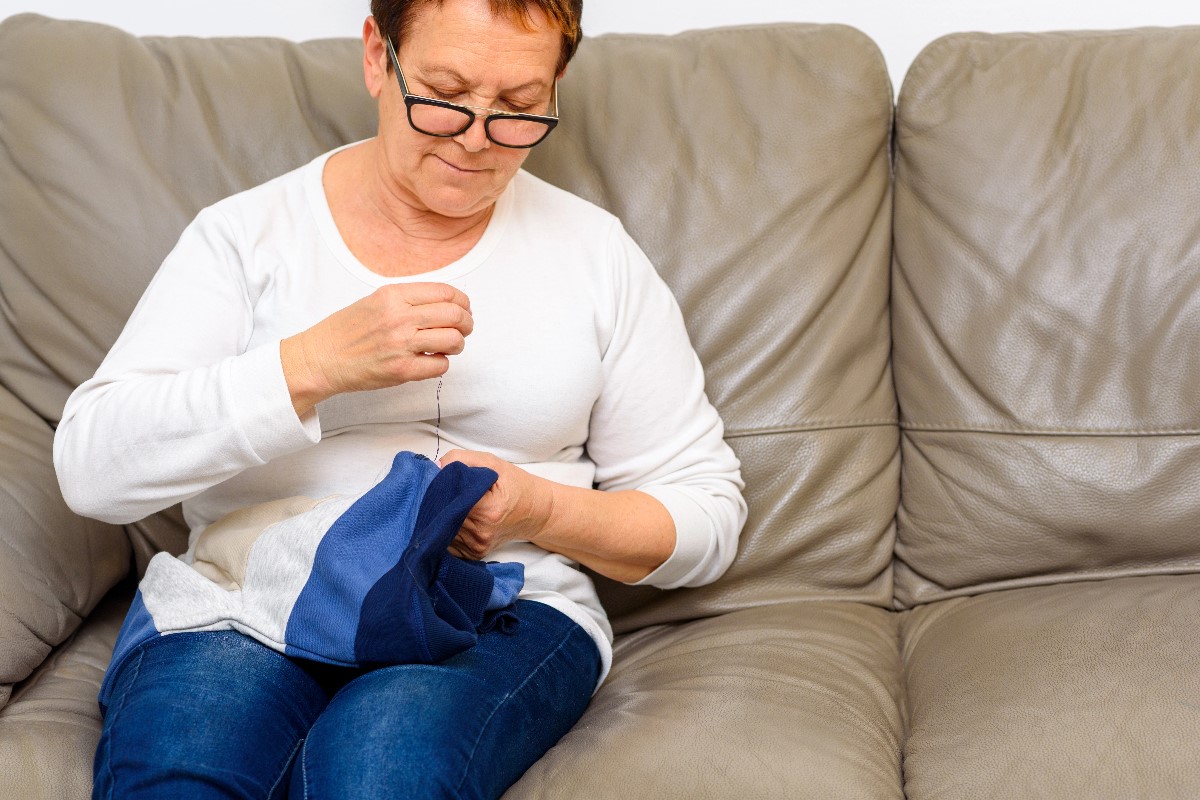
Grandma never threw out a buttonless shirt or a shaky chair. She kept a needle nearby, a jar of screws on the shelf, and an instinct to mend what others would toss. Frugality, for her, meant honoring things by giving them a second chance.
Use Everything to its Last Breath

Soap slivers were pressed into new bars, old towels became cleaning rags, and food scraps found their way into hearty soups. There was no such thing as “just toss it” in her world. Waste was a sign not of wealth, but of forgetting the value of effort.
Related: 10 Tips On Saving Big On Family Day Without Cutting Joy
Cook at Home with what you have

She could make a feast from a pantry that looked bare to most. Her meals relied on staples, not trends, and nothing went uneaten. Eating at home was not only cheaper, it was richer in connection and filled with stories around the table.
Related: 8 Tips On One-Day Budget For Family Day That Works
Tired of money feeling messy? Get clear, simple tips for managing your family’s finances—straight to your inbox. Sign Up Here
Grow what you can, Even in Small Spaces

A few pots of herbs in the window, tomatoes out back, and a single peach tree fed her sense of independence. Gardening taught patience, thrift, and the deep satisfaction of eating what you grew. The savings added up quietly over seasons.
Related: Dear Retired Mom: You’re Allowed To Enjoy Your Money
Save Wrapping Paper and Reuse Jars
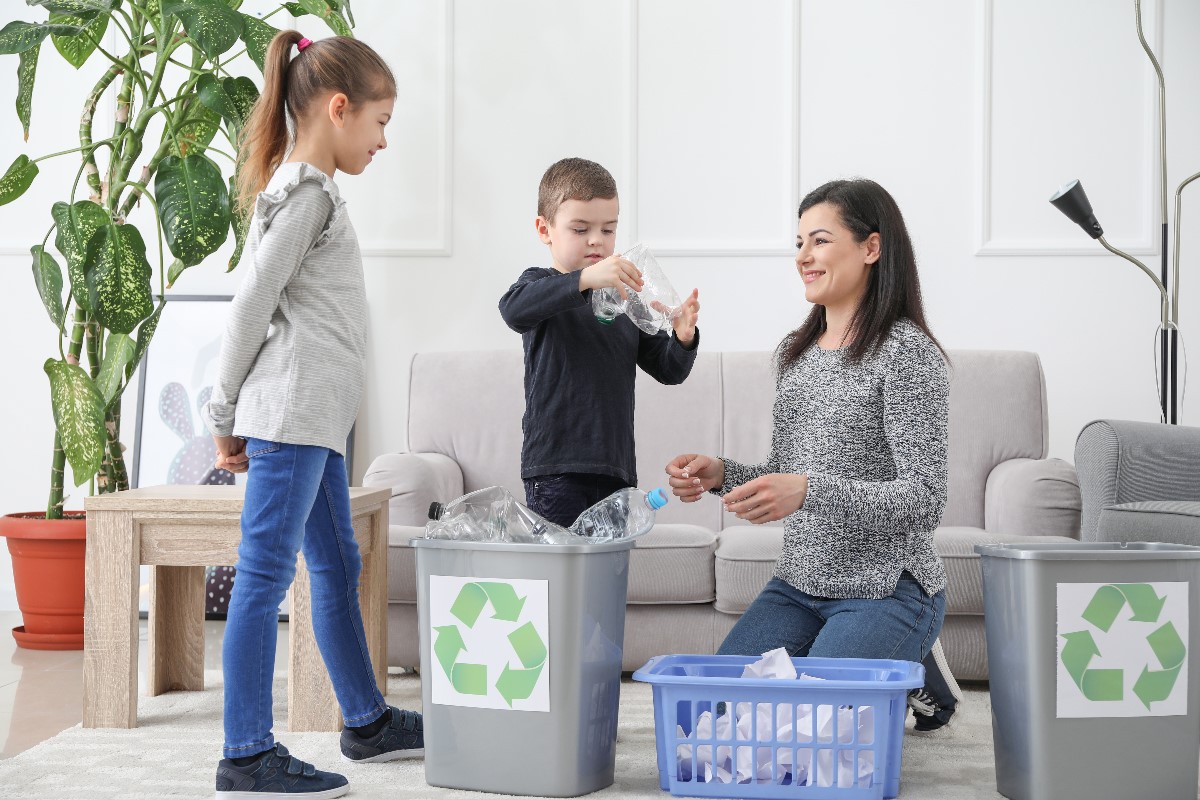
She kept bows, boxes, and every glass jar that passed through her hands. The kitchen was filled with reused containers, all neatly labeled. It was not clutter, it was a system of quiet, resourceful preparation that always paid off.
Related: To The Grandma Who Still Feels Guilty About Money
Make Do Before you Buy New

When she needed something, she looked around first to see what could substitute. A teacup held her sewing pins, a shoebox became a drawer organizer, and old sheets became curtains. She taught me that convenience often comes at an unnecessary cost.
Related: Dear Friend: You’re Not Too Old To Start Again
Shop with a List and a Purpose

Grocery shopping was never a whim, it was a strategy. She carried a list based on needs, not wants, and stuck to it with calm determination. That discipline made every dollar stretch, and every item serve a role beyond the receipt.
Want budgeting tips that actually work with a toddler on your hip? This is for you. 👉 Get The Emails
Learn Basic Skills So you Depend Less on Others
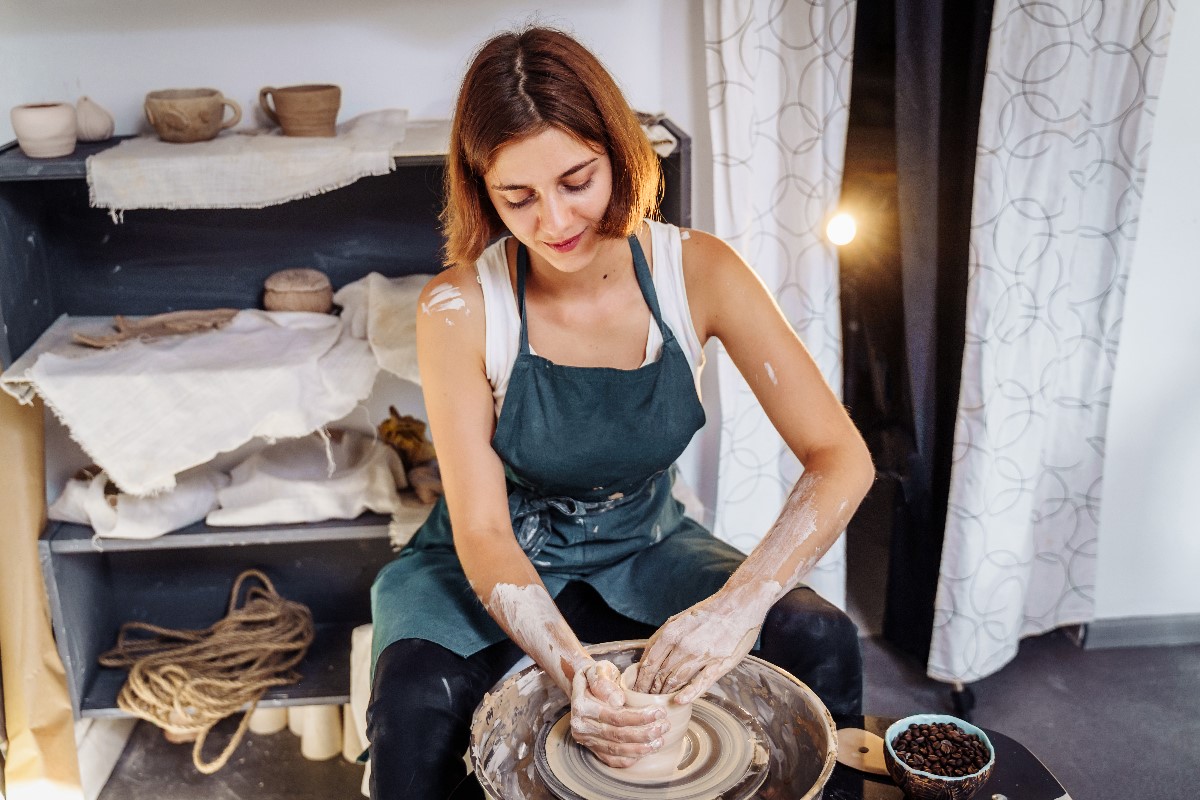
She knew how to hem pants, patch roofs, and preserve peaches. These were not hobbies, they were lifelines. The more she knew how to do, the less she had to hire out. That autonomy saved money and built quiet confidence.
Related: Dear Grandma: You Were Right About Saving Pennies
Celebrate Simply and Often

Birthdays were marked with homemade cakes, reused decorations, and handwritten cards. Nothing was extravagant, yet everything felt full. Frugality does not steal joy; it often reveals it in its purest, most heartfelt form.
Related: 11 Side Hustles You Can Start During Nap Time; Yes, Really
Live Below your Means without Shame

Grandma never apologized for being careful with money. She took pride in stretching a dollar, not as a point of scarcity, but as a form of stewardship. That mindset is what allowed her to be generous when it truly mattered.
Related: 10 Apps That Make Managing Retirement Money Easier
Hey mama—feeling financially stuck? Join Wallet Clarity for real-life money tips made for your season. Join Here
Grandma’s house taught me that frugal living is not about denial; it is about intentionality. It is choosing to value what you have, use it well, and pass down not only things, but principles. In a world that encourages consumption, her quiet wisdom remains a blueprint for balance, resourcefulness, and peace.
Disclaimer: This list is solely the author’s opinion based on research and publicly available information.
10 Frugal Lessons You Learn The Hard Way

Frugal living sounds simple until you’re deep in the learning curve of missed deals and costly shortcuts. Many of the best money-saving habits are born from experience, trial, and a few financial regrets. These are the real-life lessons you often don’t see in the headlines or hear in advice columns. Yet, once you live through them, they reshape how you handle every dollar.
Read it here: 10 Frugal Lessons You Learn The Hard Way
14 Frugal Habits My Mom Taught Me Too Late

There is something sacred about the quiet wisdom of mothers. It arrives slowly, often wrapped in routines we once resisted and advice we barely heard. When I was younger, I thought frugality was a kind of limitation, a lifestyle of less. But my mother never lived in want. She lived with clarity. She knew the value of things before the price tag and could stretch a dollar with the grace of a magician.
Read it here: 14 Frugal Habits My Mom Taught Me Too Late
How to Build an Emergency Fund on a Tight Budget (Even If You’re Living Paycheck to Paycheck)

Let’s be real for a second. If you’ve ever had to choose between paying a bill or buying groceries, you already know—there’s no such thing as “extra money.” Emergencies don’t wait until your finances feel stable. They show up in the middle of diaper blowouts, surprise medical bills, and days when your car makes that weird noise again.
Read it here: How to Build an Emergency Fund on a Tight Budget